


Waste Disposal vs Recycling — What’s the Difference?
06/10/2025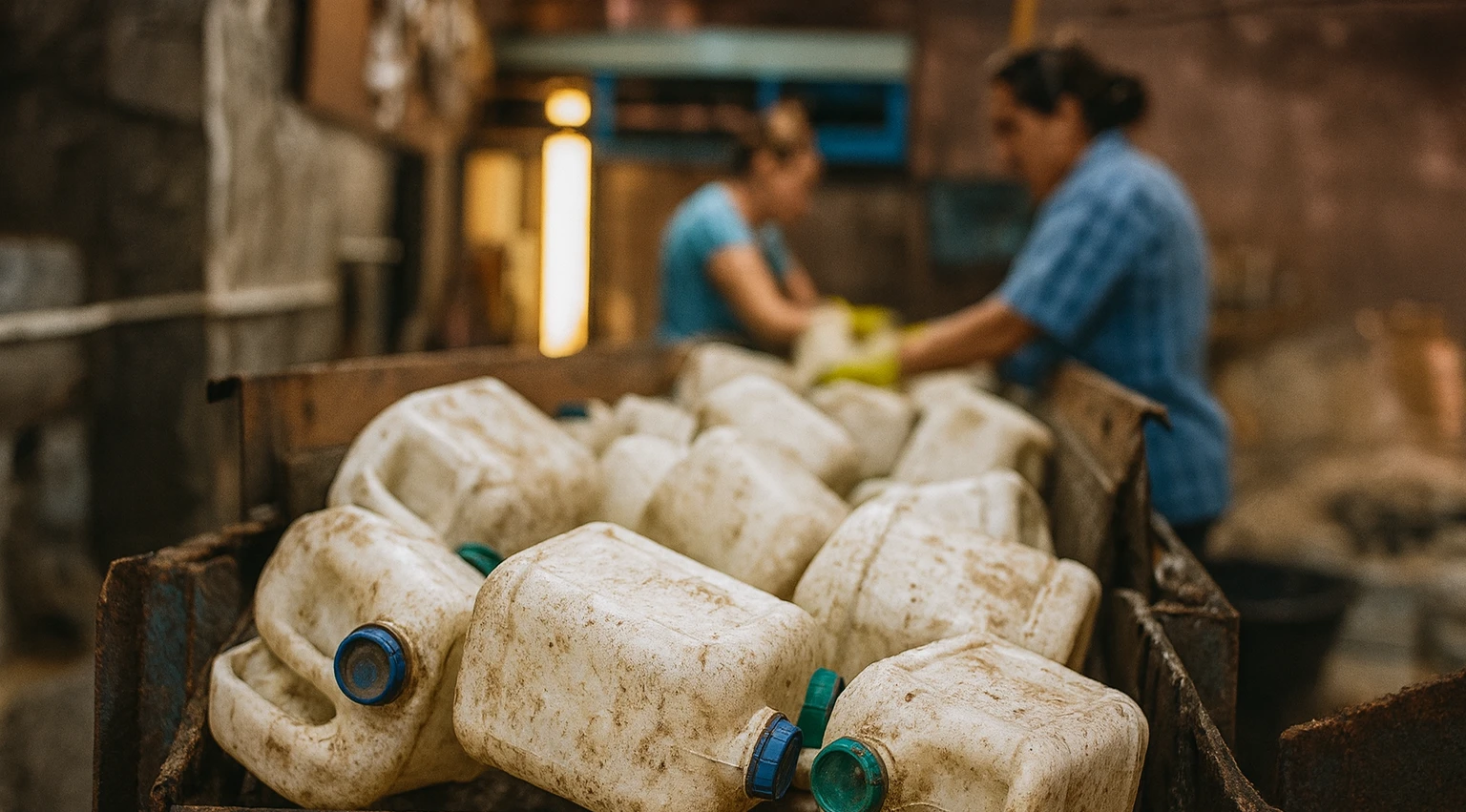
In everyday speech, “disposal” and “recycling” are often used interchangeably — but they mean very different things.
Disposal means neutralizing or destroying waste that poses a risk to human health or the environment.
Recycling, on the other hand, means reusing materials, turning waste into new raw materials or finished products.
In short: disposal is the end of waste; recycling is its new beginning.
Waste Disposal: Protecting the Environment from Danger
Hazardous waste is not ordinary garbage — it’s chemical residues, pesticides, oils, paints, and other materials that can seriously harm the environment.
They cannot simply be buried or burned in open air.
Our company specializes in the safe disposal of hazardous waste, using licensed technologies that ensure complete neutralization of toxic components — through thermal and physicochemical methods.
This way, we protect soil, water, and air from contamination and help businesses comply with Ukraine’s environmental safety laws.
Recycling: Giving Materials a Second Life
Recycling is about saving energy and natural resources.
Here are some striking examples:
🔹 Glass can be recycled infinitely — it’s crushed and melted into new bottles and containers.
🔹 Paper and cardboard undergo depolymerization — cellulose fibers are broken down into glucose, which is then used to make high-grade paper.
🔹 Aluminum recycling is 20 times more energy-efficient:
Producing 1 ton of aluminum from bauxite ore consumes about 14,000 kWh of energy.
Recycling it requires only 5% of that amount.
Every time we recycle, we reduce the need for new raw materials and the energy consumption that comes with them.
Our Example: Recycling Pesticide Containers
Plastic containers from pesticides (plant protection products) are classified as hazardous waste.
We ensure they are handled responsibly and safely through a complete recycling cycle:
Collecting and accepting used containers.
Mechanically cleaning and shredding them.
Producing plastic flakes — clean, safe secondary raw material.
Using that material to manufacture road barriers and safety structures.
So, we don’t just destroy waste — we turn it into something useful that makes roads safer.
Environmental Responsibility Is Our Standard
We believe that modern business should be not only profitable but also socially and environmentally responsible.
Every step of our process — from waste collection to recycling — meets European environmental standards.
Working with us means your waste is disposed of legally, safely, and beneficially.


