


Why Are Crop Protection Product Containers Considered Hazardous Waste?
08/06/2026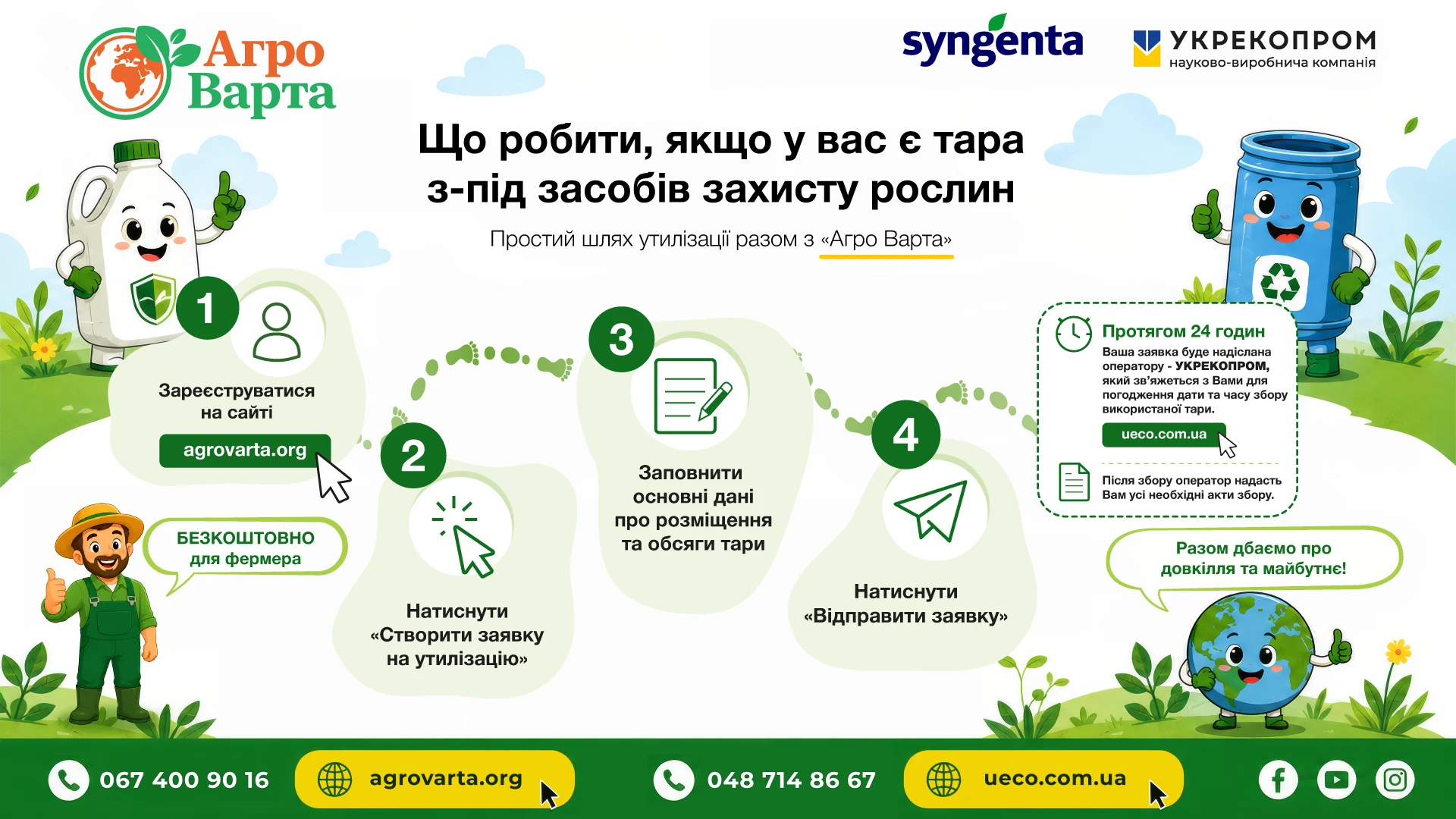
After crop protection products (CPPs) are used, traces of pesticides and agrochemicals remain on the inner walls of the containers.
Many farmers still:
- burn empty containers;
- reuse them for household needs;
- sell them to third parties.
However, such containers are classified as hazardous waste and require specialized treatment in accordance with environmental regulations.
What Risks Does Improper Handling of Containers Create?
🚫 Soil contamination
🚫 Water pollution
🚫 Pesticide residues entering the food chain
🚫 Risks to human and animal health
Why Should Containers Not Be Reused?
Used containers are often repurposed for storing water, fuel, or other household materials. However, even after washing, pesticide residues may remain in the plastic and gradually contaminate liquids or the environment.
Such practices pose serious environmental and health risks and do not comply with environmental safety requirements.
How Does Agro Varta Work?
The process consists of four simple steps:
1. The farm collects used containers
After crop protection products are used, the empty containers are stored separately.
2. A collection request is submitted
The farmer provides information about the volume and location of the containers.
3. Collection is arranged
A licensed operator collects the waste.
4. The containers are processed
At UKRECOPROM's production facilities, the containers are:
- sorted;
- shredded;
- prepared for further use as secondary raw materials.
What Is Produced from Recycled Containers?
After processing, the plastic can be used to manufacture technical products, road infrastructure components, and other products that do not come into contact with food.
Who Can Participate in the Project?
The project accepts containers from crop protection products of the following brands:
- BASF
- Bayer
- Syngenta
- FMC
- ADAMA
Conclusion
Pesticide containers should never be sent to landfills or reused. The Agro Varta project helps agricultural producers safely and responsibly transfer such waste for treatment while contributing to environmental protection and sustainable agriculture.


